

BY Joan Baxter
“The earth, our home, is beginning to look more and more like an immense pile of filth.” This hard truth comes from a 183-page document that makes a plea for our species to come to our senses and hear “the cry of the earth and the cry of the poor”.
It’s a powerful cri de coeur for humankind to stop the plunder of the planet, confront climate change and end unfettered capitalism that is driving the destruction and disparity between rich and poor. It continues: “Many of those who possess more resources and economic or political power seem mostly to be concerned with masking the problems or concealing their symptoms, simply making efforts to reduce some of the negative impacts of climate change.”
Strong words, revolutionary even. The kind of language one might expect from the environmental or social justice groups often labelled “radical” or “extremist” by the powerful elites these statements condemn.
But they’re not. They come from the Encyclical written by Pope Francis, arguably the single most influential man on the planet as spiritual leader of 1.2 billion Catholics around the world.

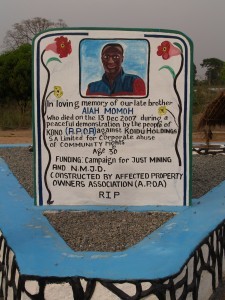
 Not even 50 kilometres from the disputed land lease taken out by the Siva Group in Kpaka Chiefdom in Sierra Leone’s Pujehun District, where angry youth leaders and local chiefs are denouncing their Paramount Chief for signing away their precious farmland, there is similar discontent and dis-accord over a land deal in the Malen Chiefdom. There, Socfin Agricultural Company (SL) Ltd, or SAC, has leased 6,575 hectares and converted more than half of that into monoculture oil palm plantation. It is now seeking to lease and plant an additional 5,500 hectares, for a total of 12,000.
 Atop the Siva Group is another reputed billionaire, the
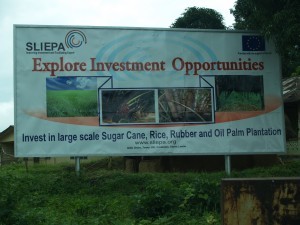


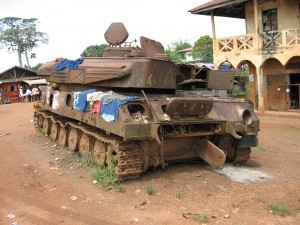 So it was that in late 2009, Sierra Leone’s President Ernest Bai Koroma took the podium at the Sierra Leone Trade and Investment Forum at the Queen Elizabeth II Conference Centre in London, England. The country was still better known internationally for “blood diamonds” and a brutal civil war they fuelled, than for its impressive peace-building efforts in the ten years since the war ended. President Koroma wanted to change that.